PRAM™
The algorithm allowing the precise analysis of the hemodynamic functions beat-to-beat and without calibration
HOW IT WORKS
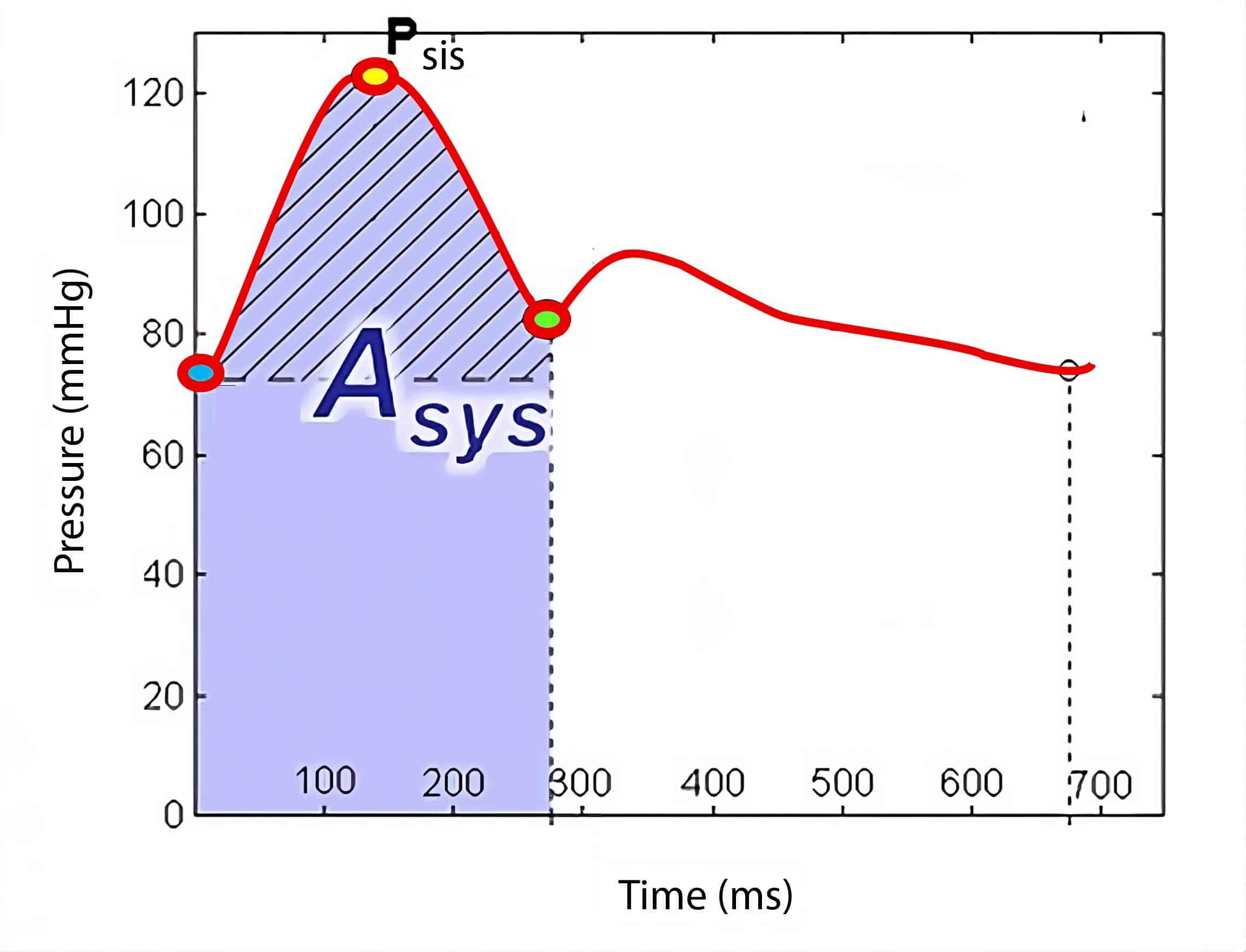
PRAM™ (The Pressure Recording Analytical Method) belongs to the category of the Pulse Contour Methods (PCM).
The PCMs have the main purpose of estimating the Cardiac Output (CO) from the analysis of the arterial pressure curve.
PRAM™ is a patented algorithm designed and developed to provide the most comprehensive hemodynamic profile of the patient, continuously and in real time.
PRAM™ is based on an objective and analytical detection of the changes of the pressure curve over time, considering the whole cycle: both systolic and diastolic phases.
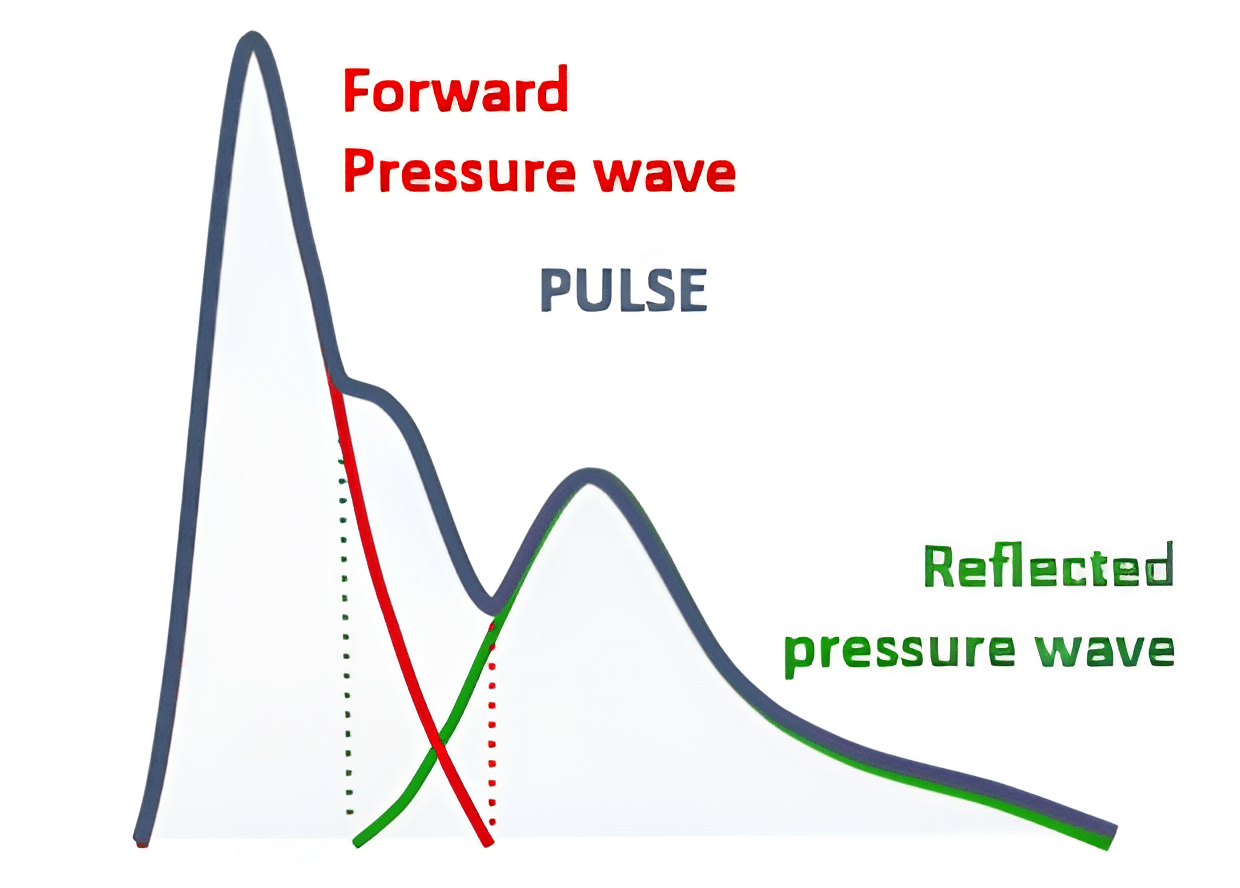
Each pressure curve consists of a main wave, generated by ventricular contraction (systolic phase), and reflected waves due to the action of the vascular system (diastolic phase).
To continuously assess cardiac output (CO), the entire pressure curve is sampled at high frequency (1,000 Hz), allowing precise analysis of wave morphology
This is done in each single beat, without calibrations nor pre-estimated data from other patients.
PRAM™ overcomes the main problem of the PCMs, which is the evaluation of the impedance Z(t), through the determination of all pressure wave characteristic points, in particular the dicrotic pressure.
HOW’S DIFFERENT
To begin with, PRAM™ overcomes the main problem of the PCMs, which is the evaluation of the impedance Z(t), through the determination of all pressure wave characteristic points, in particular the dicrotic pressure.
Thanks to his background, the intuition of Dr. Romano has been to use the Perturbation Theory, very well known in physics to describe complicated simultaneous interactions in the astrophysics systems, to deeply analyse the pressure curve.
Moreover, the high sampling rate (1.000 Hz) allows to precisely detect the shape of the curve, defining the impact of the reflected waves and therefore the impedance of the system in each single beat.
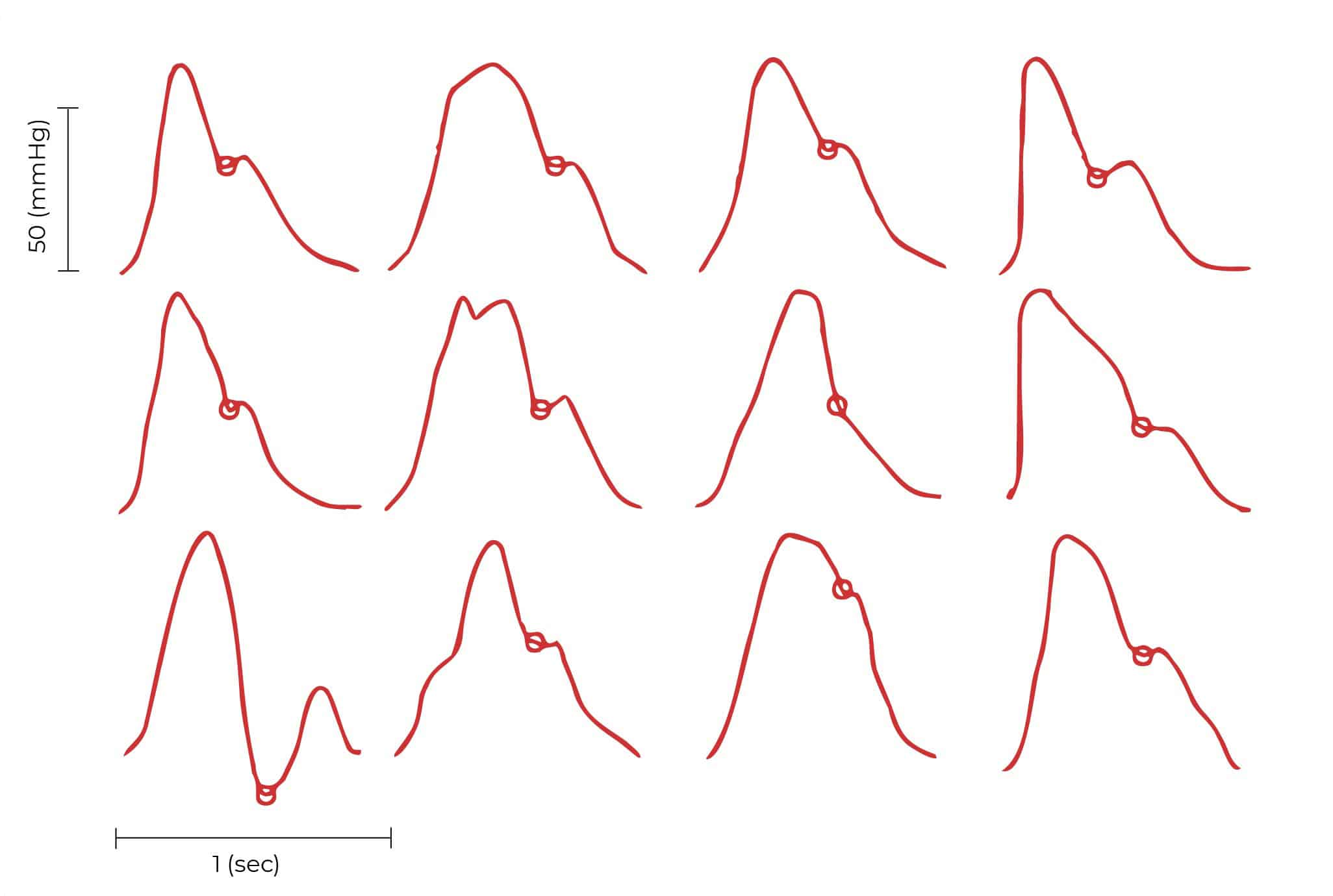
It is also possible to identify the position of the dicrotic notch even when the shape of the curve is unusual, so enabling the analysis of almost all beats, in almost all kind of patients.
With this information, it is possible to precisely calculate the Stroke Volume (SV) ejected by the left ventricle and, from this, the CO.
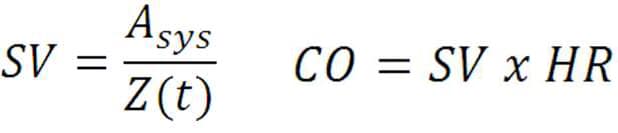
Therefore, to do that, PRAM™ only needs a good pressure waveform, but no calibrarions or nomograms.
This means that it has the ability to provide a reliable set of hemodynamic parameters in the widest range of patients and also in severe conditions, where other systems often cannot.
Special features
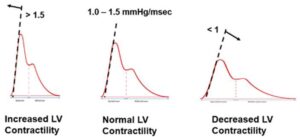
DP/DT max
This parameter is the calculation of the maximum slope of the systolic phase of the pressure wave.
In normal conditions, this parameter is usually correlated to the heart contractility.
But, when abnormally high, it is also a reliable alarm of the presence of the underdamping, allowing the practitioner to detect it and correct it.
Dynamic Filter
To deal with the underdamping, Bio-Si also developed an automatic dynamic filter which detects the presence of resonant waves and filters the frequency causing the anomaly of the curve, returning a pressure wave not affected by the artefact.
Considering that the resonance can be a transitory phenomenon, the automatic filter repeats the analysis over the time and intervenes only when necessary.
This makes the hemodynamic monitoring much more reliable every time the underdamping is present.
CCE - Cardiac Cycle Efficiency
Another special feature coming from the PRAM™ technology is also a specific and innovative parameter: the Cardiac Cycle Efficiency (CCE)
The CCE represents the hemodynamic performance in terms of energy expenditure of the cardiovascular system.
The energy consumed by the patient to keep a specific hemodynamic state is spent to adjust the flow and the pressure, and to counteract the resistances of the cardiovascular system (perturbations).
Measuring the pressure and the total impedance, it is possible to calculate the energy actually consumed by the system.
Being possible to calculate the contribution of the perturbations, then it is also possible to calculate the theoretical minimal energy consumption we would have if the perturbations tended to zero.
CCE is a parameter that is a-specific per se, but extremely sensitive to the patient variations.
It allows to detect the modifications in progress in the patient status even when compensation mechanisms are working, then when the patient is still asymptomatic, and to gain information on the effects of the treatments.